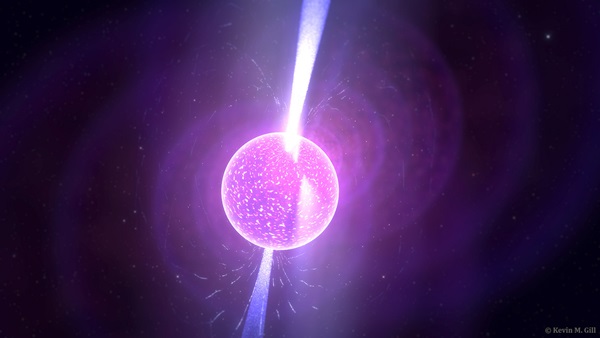
Le télescope spatial Roman de la NASA s’envole vers les étoiles
Le télescope spatial Nancy Grace Roman a décollé avec succès le 30 août 2026 à bord d’une Falcon Heavy de SpaceX depuis Cap Canaveral. Avec un champ de vision 100 fois supérieur à Hubble, il va cartographier l’énergie noire, les exoplanètes et des milliards de galaxies.
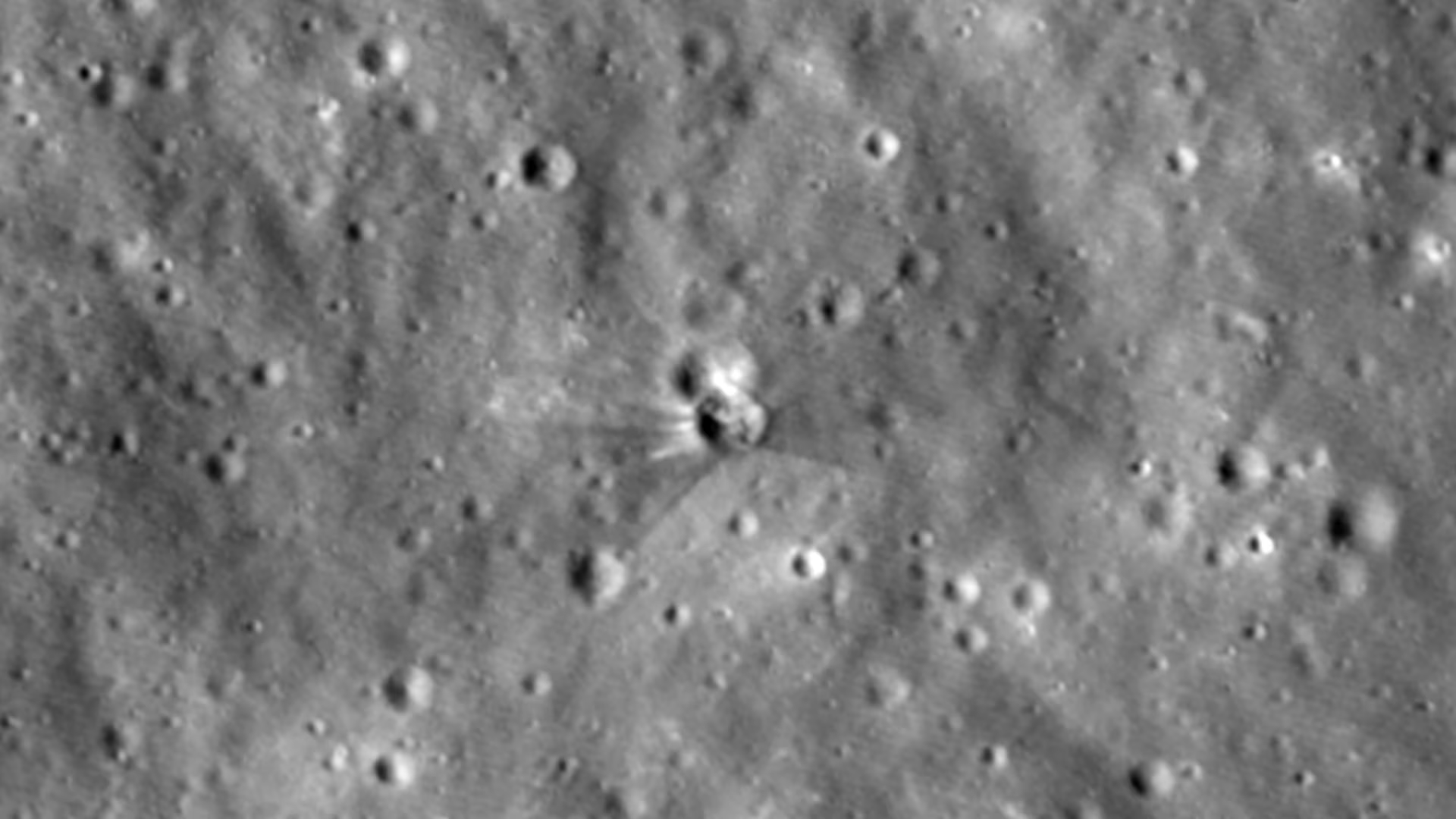
Un étage de fusée SpaceX s’écrase sur la Lune : la NASA photographie le cratère
Le 5 août 2026, un étage supérieur de Falcon 9 a percuté la Lune à 8 690 km/h. La sonde LRO de la NASA a photographié le cratère de 18,3 mètres créé lors de l’impact.
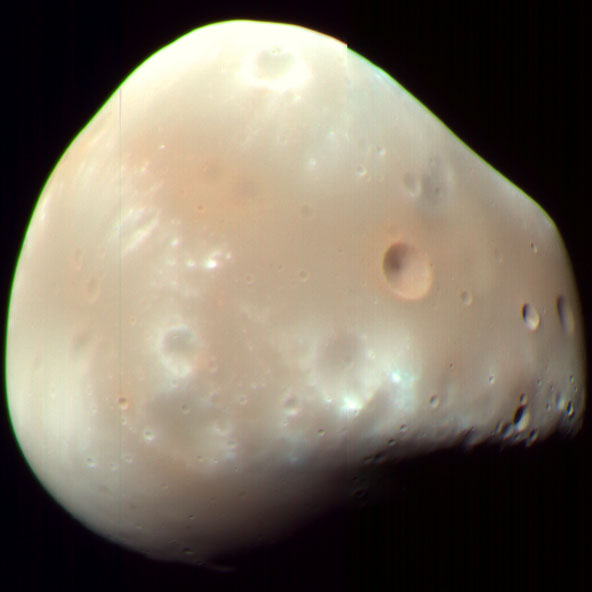
Un impact d’astéroïde unique pourrait expliquer l’apparence de Deimos
Un astéroïde de 320 mètres a frappé Deimos à 45 degrés, créant sa surface lisse et son bassin polaire sud, révèle une étude parue dans Nature Astronomy le 18 août 2026.
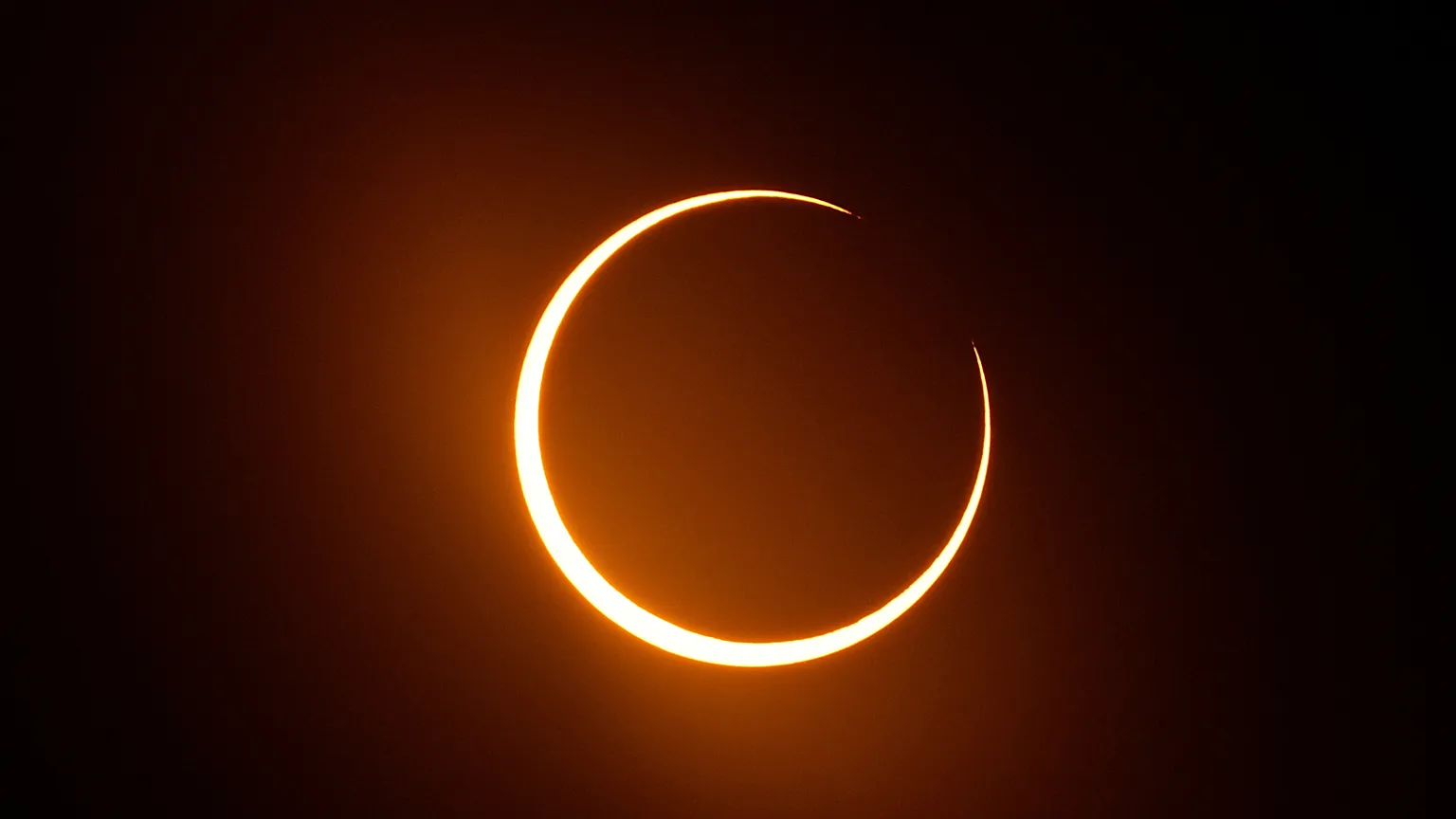
Éclipse solaire 12 août 2026 : guide complet pour la France
Éclipse solaire du 12 août 2026 en France : horaires par ville, pourcentages d’obscuration (99,5 % à Biarritz), conseils de sécurité et guide complet pour bien observer.
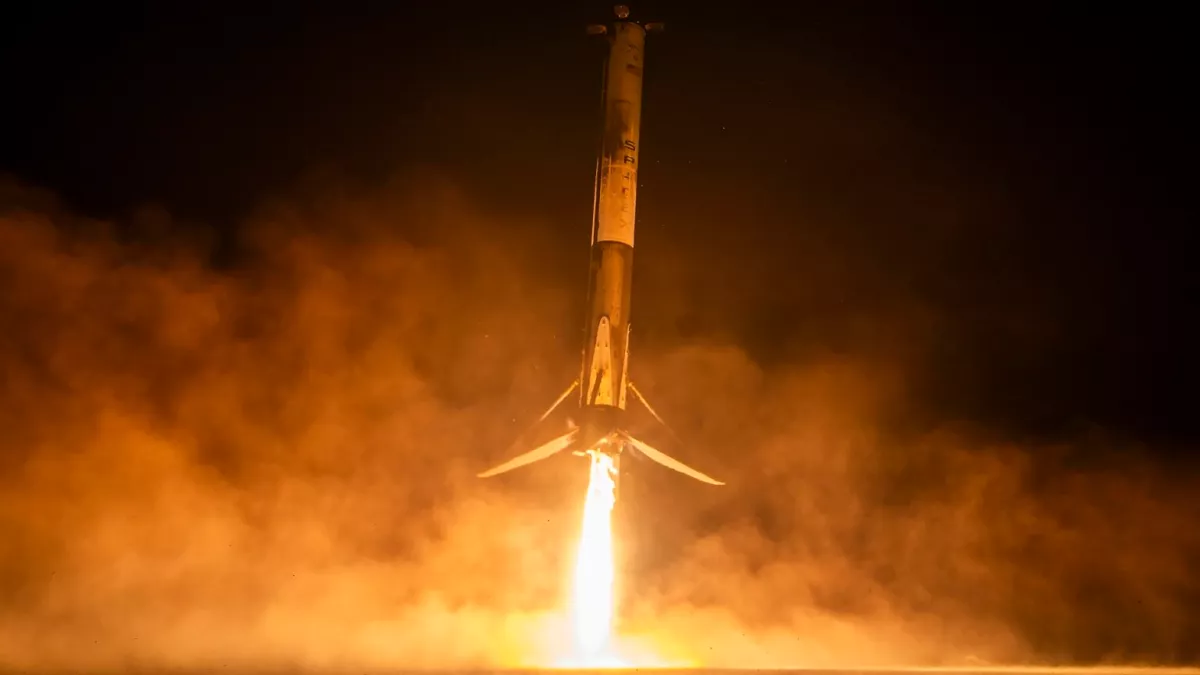
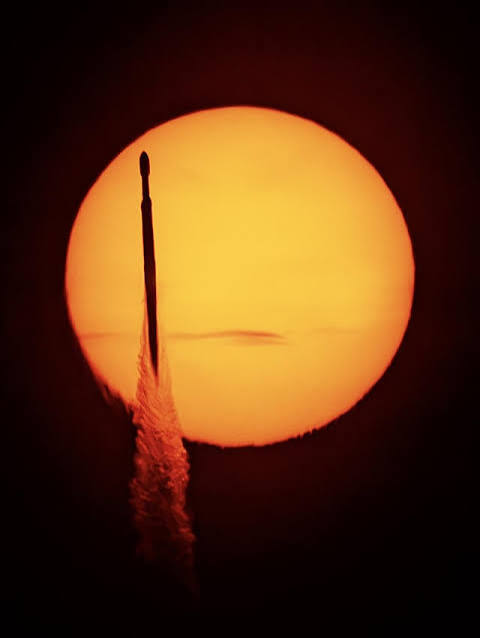
B1067 : le booster Falcon 9 bat son propre record avec 36 vols
Le booster B1067 de SpaceX a réalisé son 36e vol le 9 juillet 2026, un nouveau record pour la société. La mission Starlink 10-42 a décollé de Floride avec 29 satellites à bord.
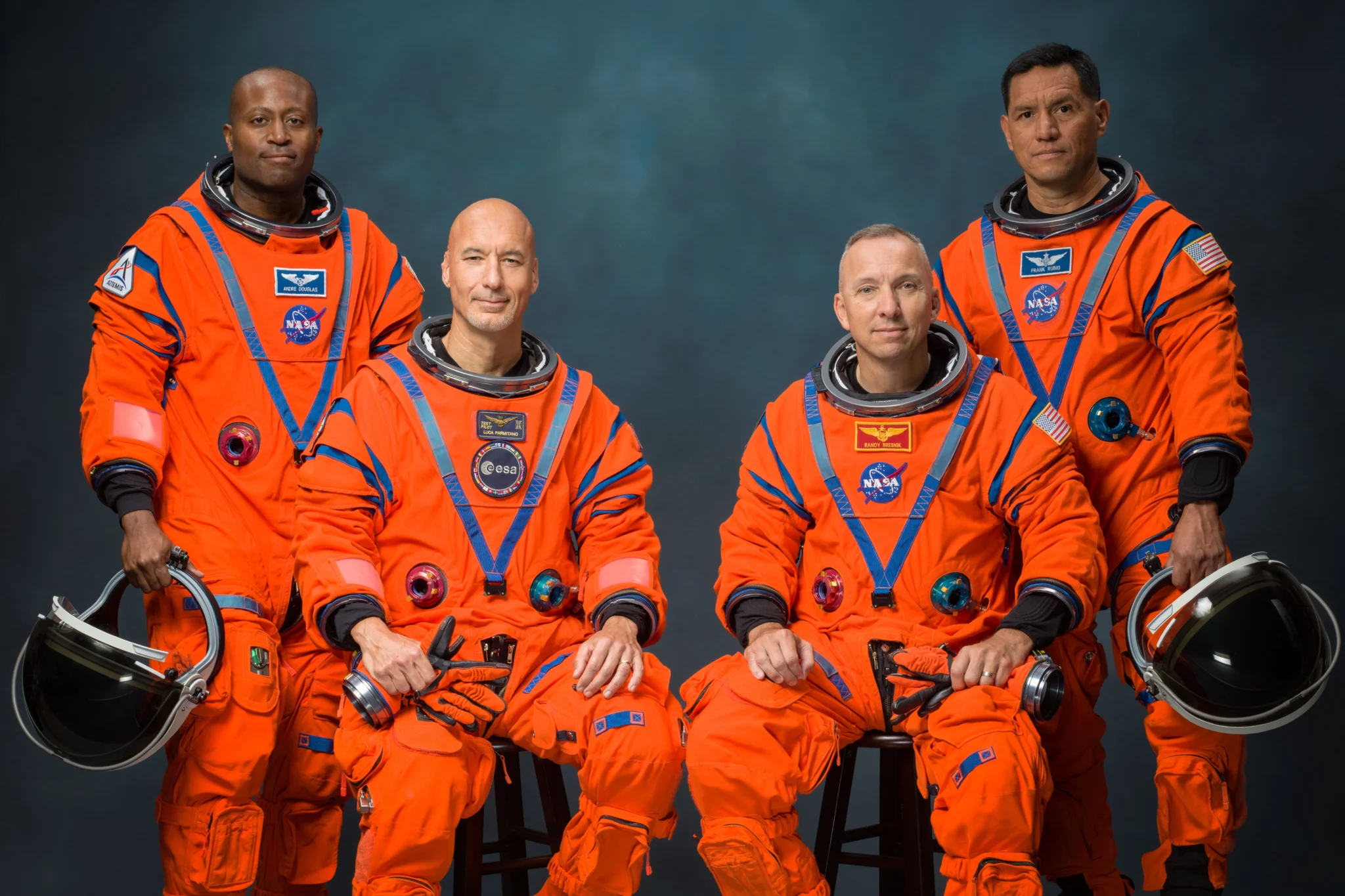
Artemis III : la NASA dévoile l’équipage de sa mission de test 2027
La NASA annonce l’équipage d’Artemis III le 8 juin 2026. Mission de test en orbite terrestre pour valider l’amarrage avec les atterrisseurs lunaires avant l’alunissage 2028.
Want to go further?
Découvrez nos analyses détaillées sur les grandes missions spatiales, les avancées technologiques et les découvertes qui façonnent l'exploration de l'univers.
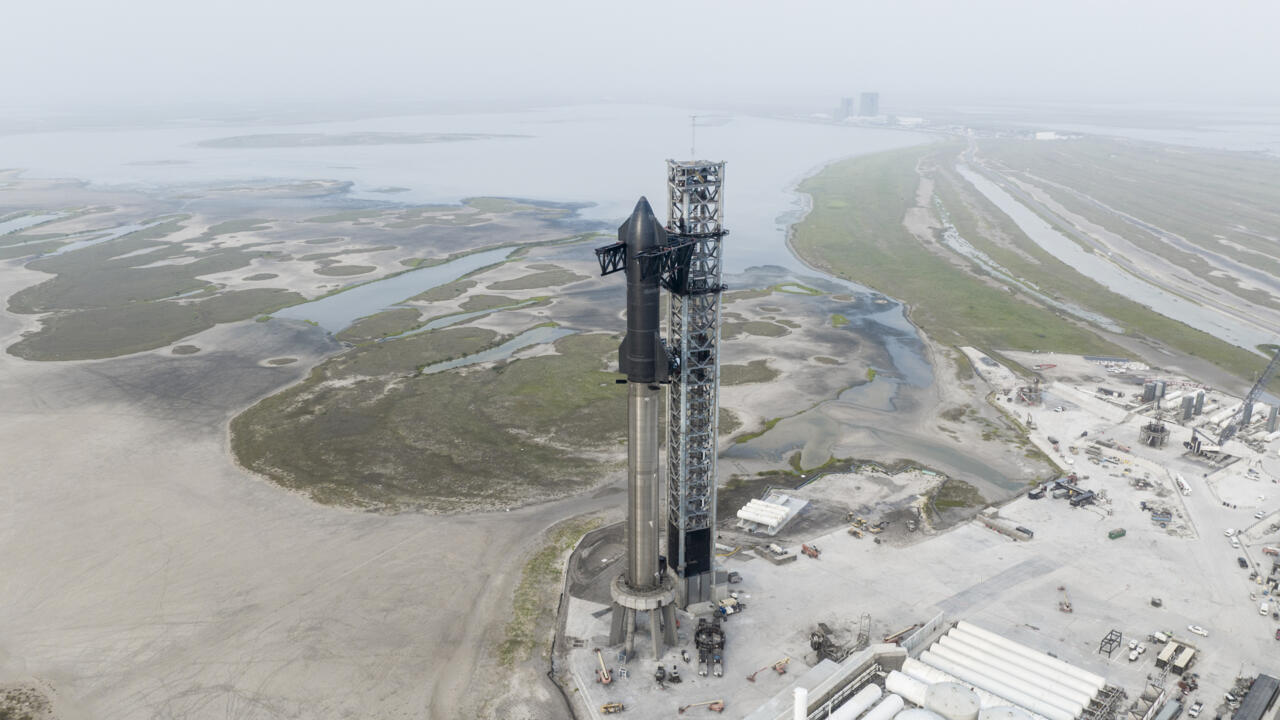
Le Starship de SpaceX : Révolution de l'exploration spatiale
The most powerful rocket ever built is changing the rules of space travel. Fully reusable and capable of carrying 150 tons into orbit, Starship embodies Elon Musk's vision of a multiplanetary civilization.
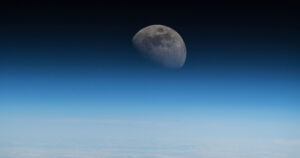
La Lune : Le retour d'un rêve devenu stratégique
More than 50 years after Apollo, the Moon is once again becoming the epicenter of space exploration. The United States, China, and Europe are engaged in a new race to establish a permanent presence on our natural satellite.
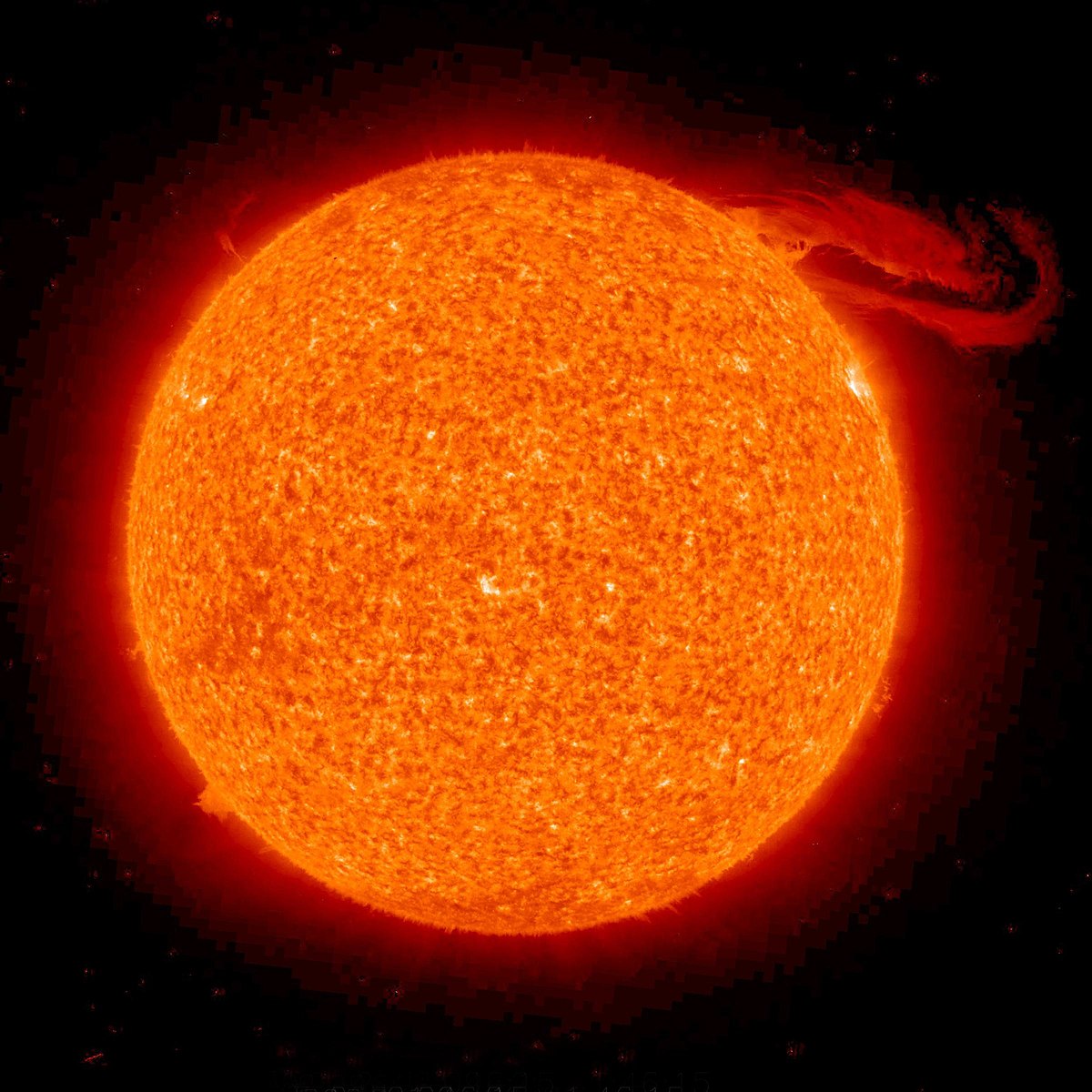
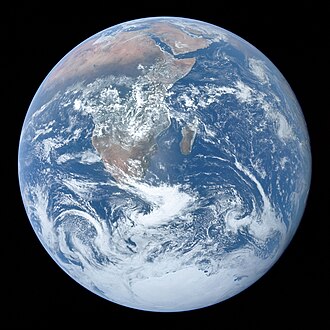
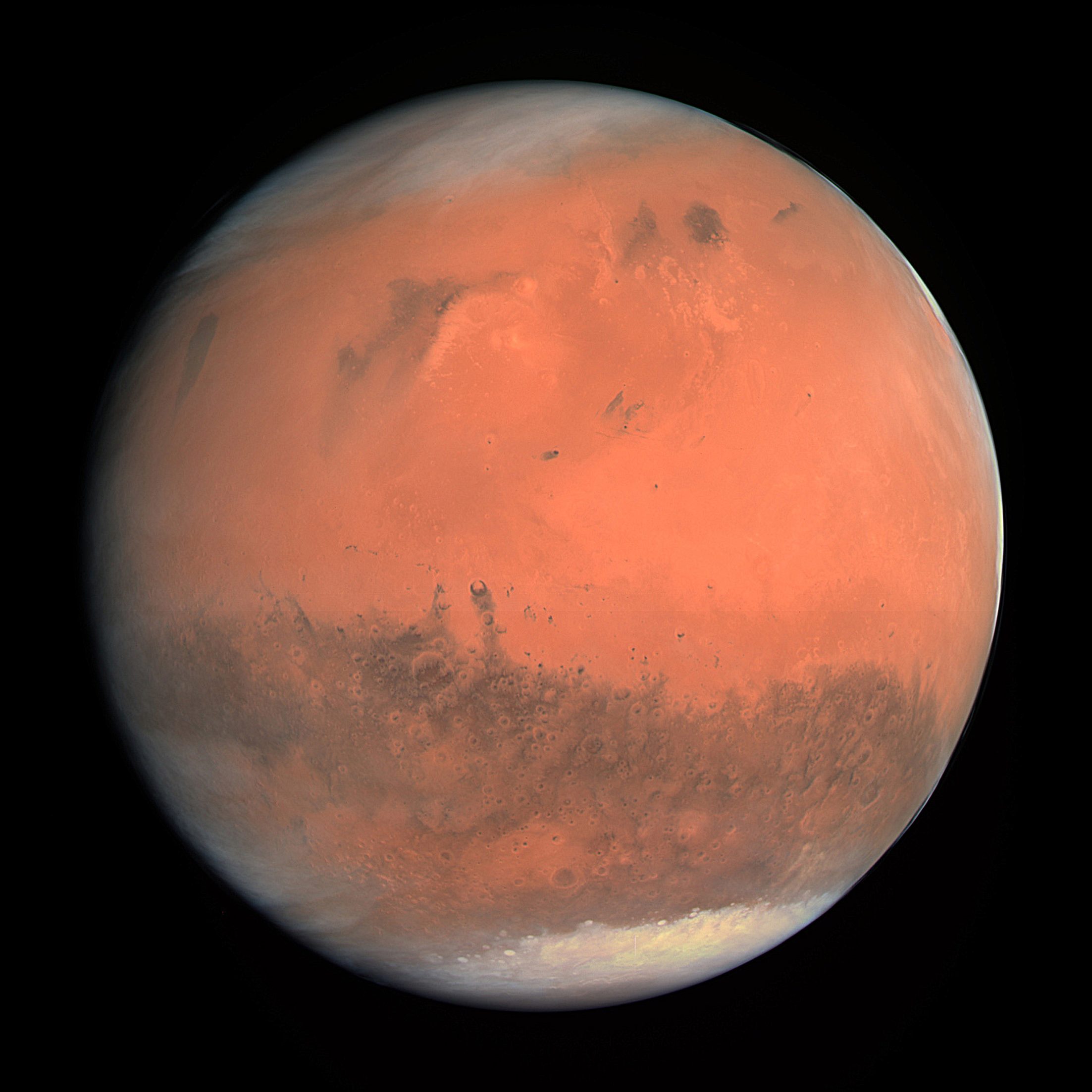
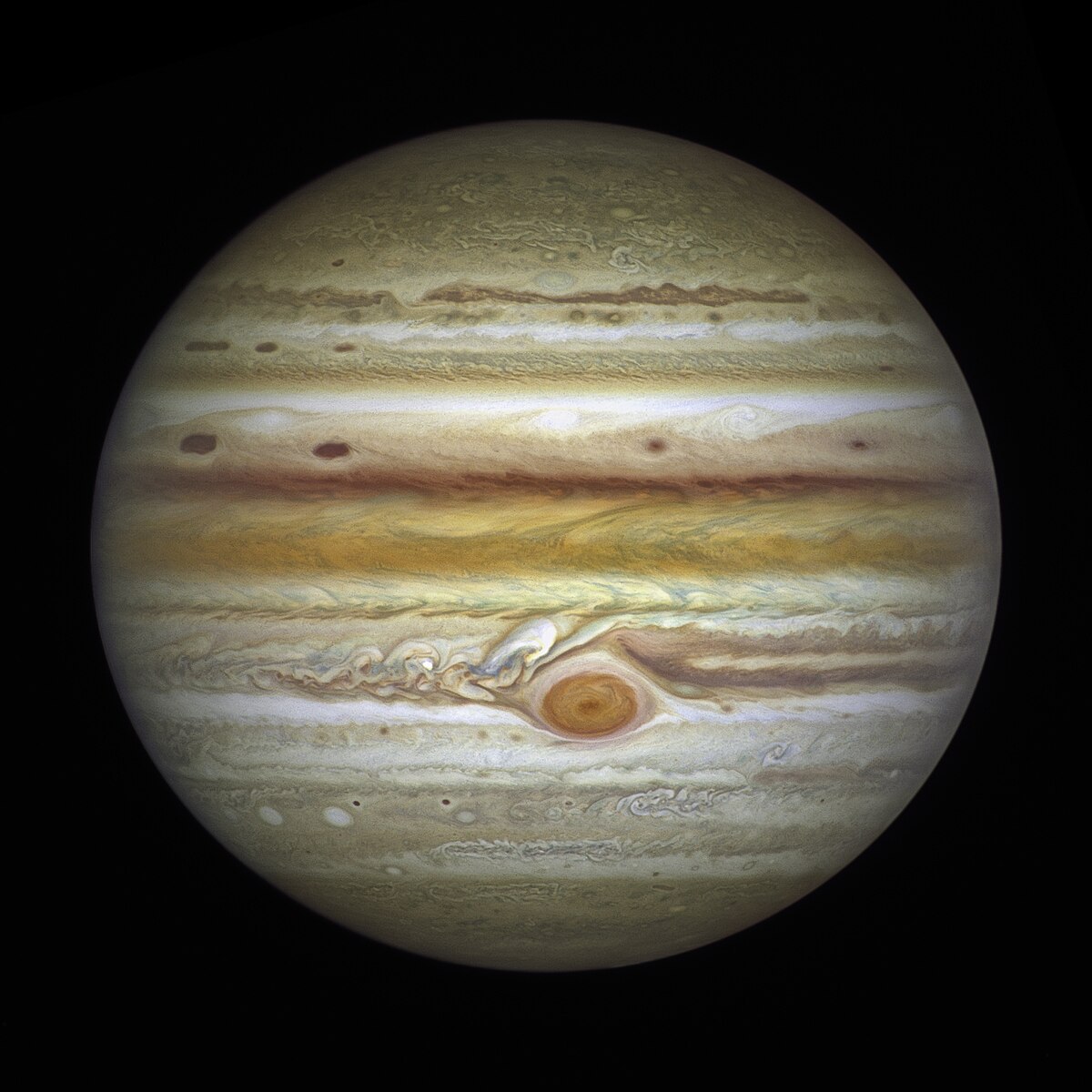
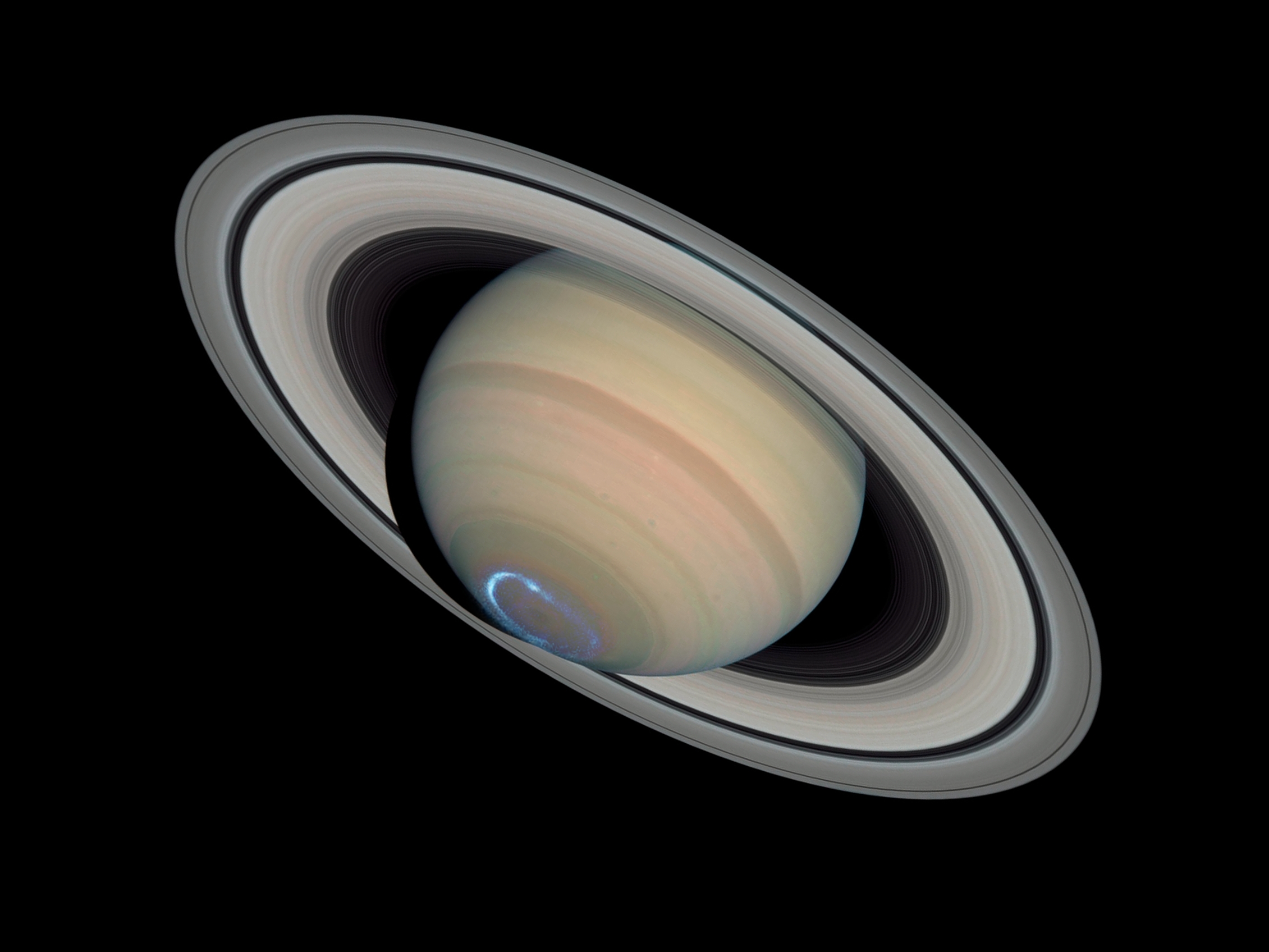
Explore Our Solar System
Discover the planets, their moons, and the Sun in detail with interactive 3D models. Travel from Mercury to Neptune and delve into the mysteries of our cosmic neighborhood.
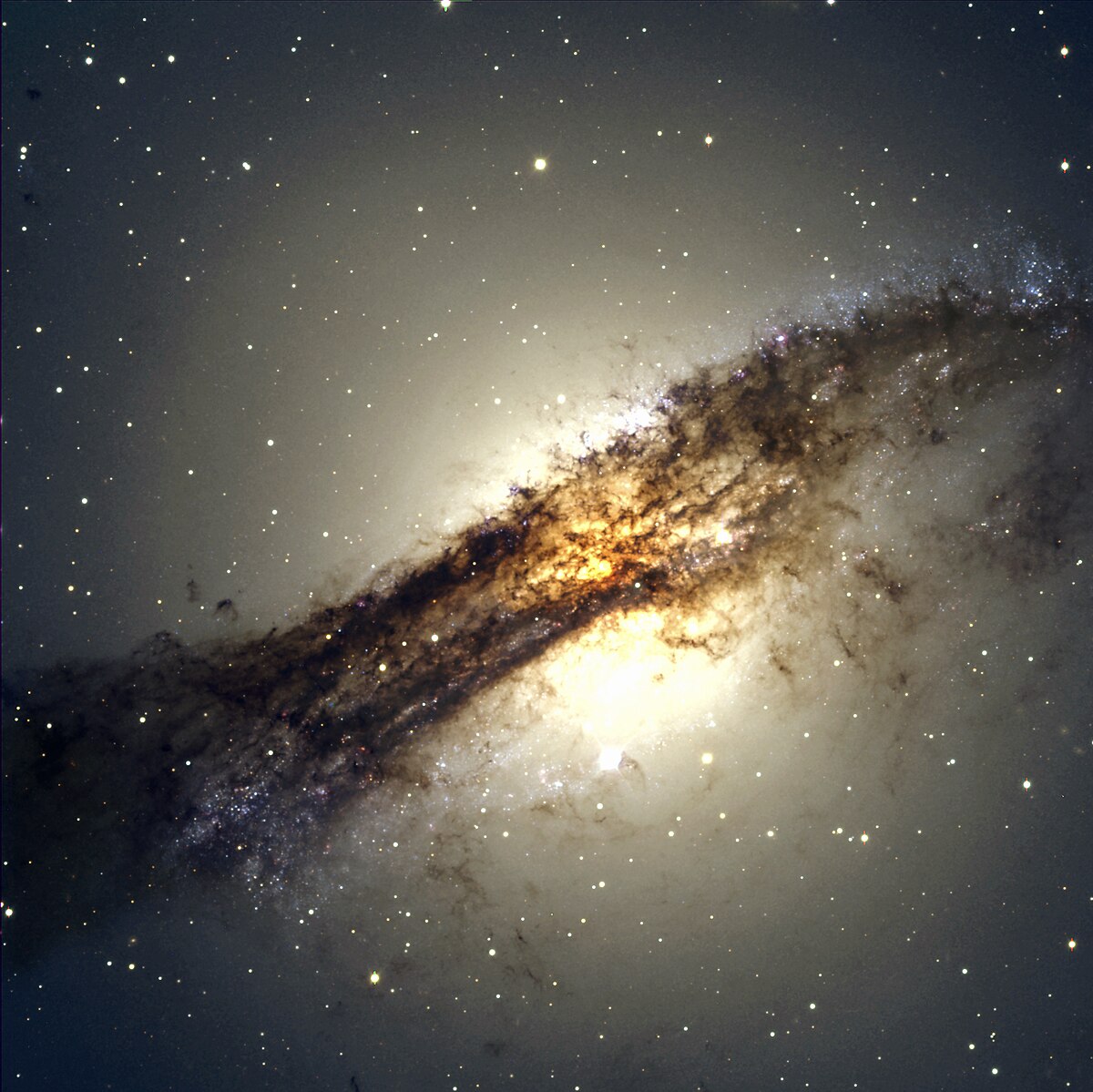
Travel beyond the Solar System
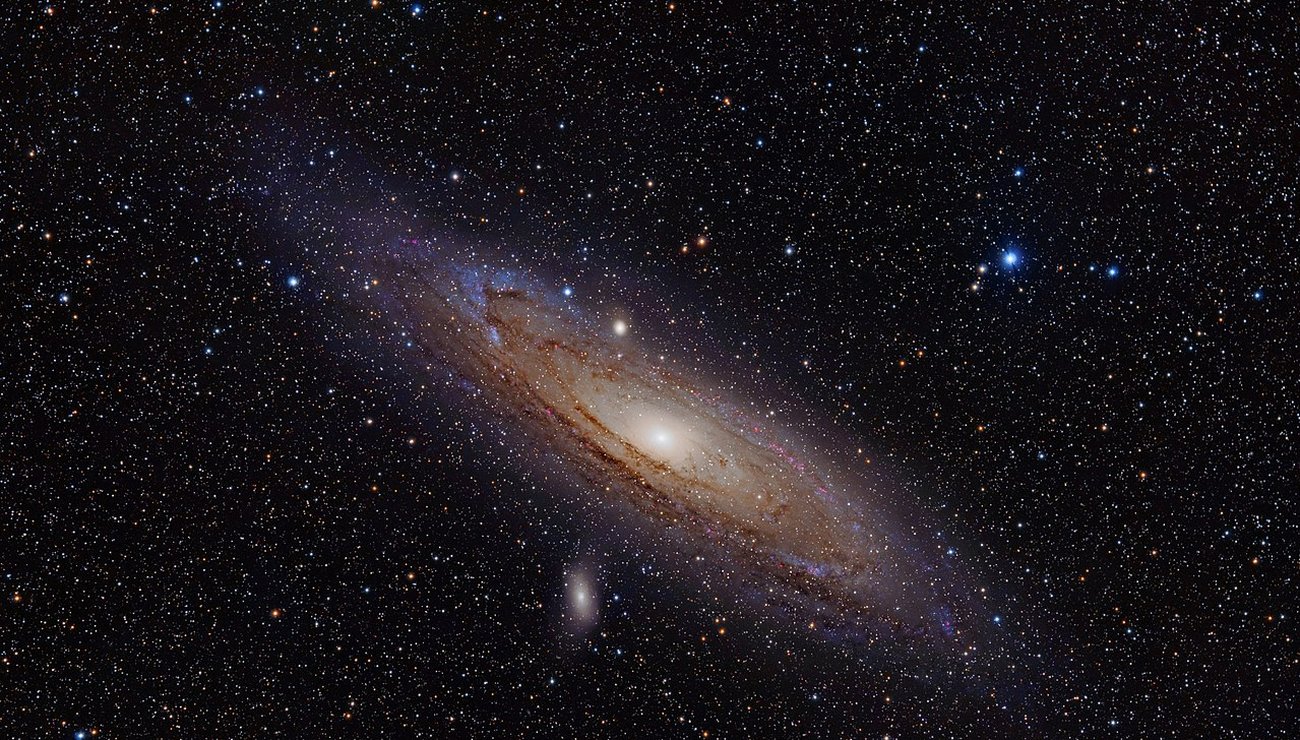
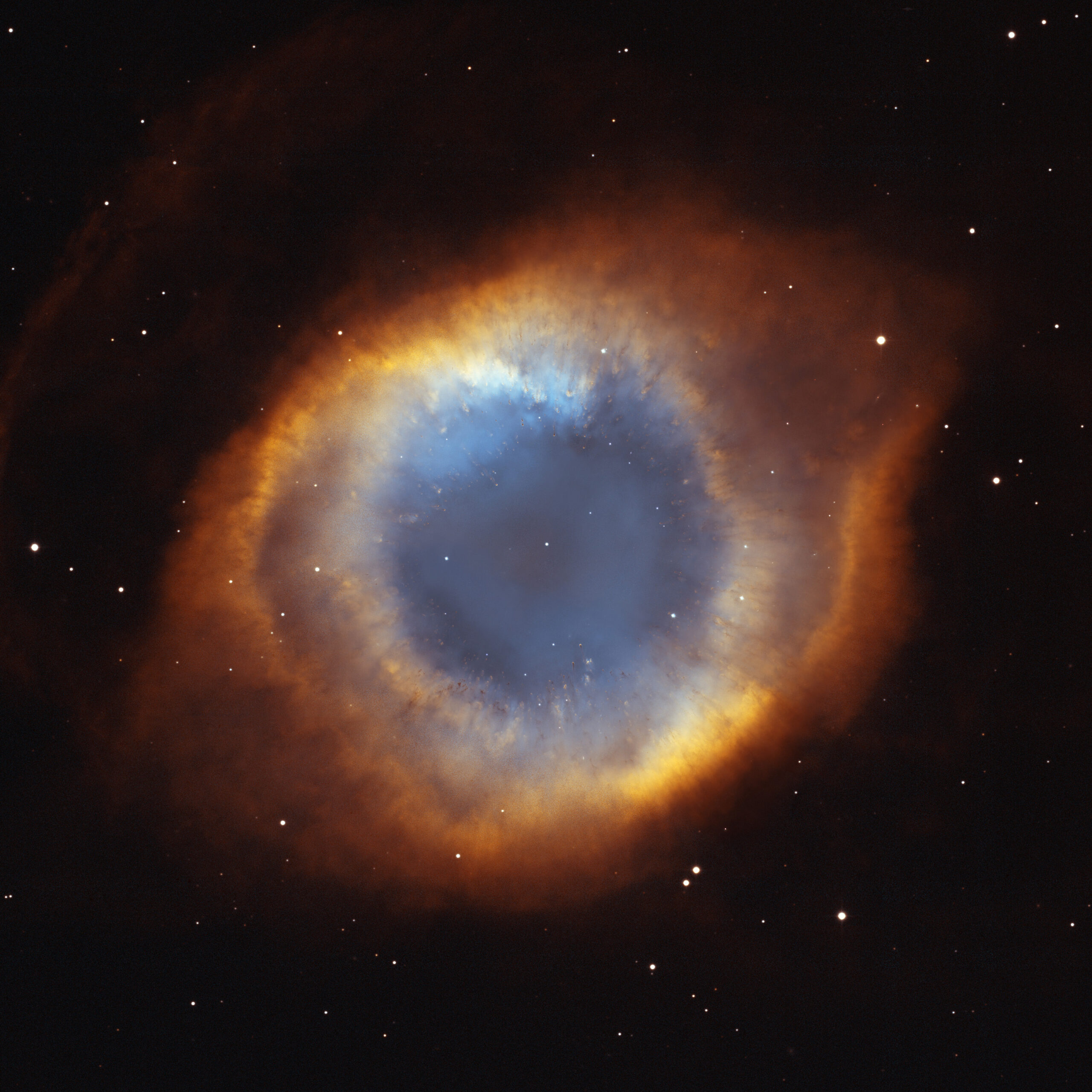
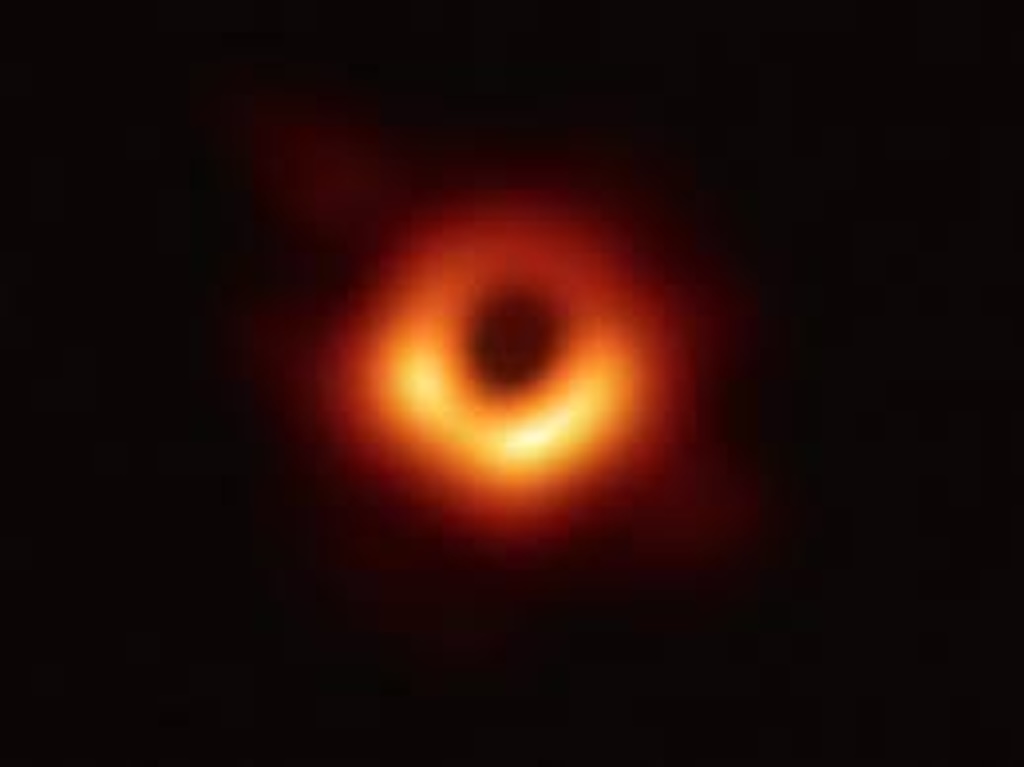
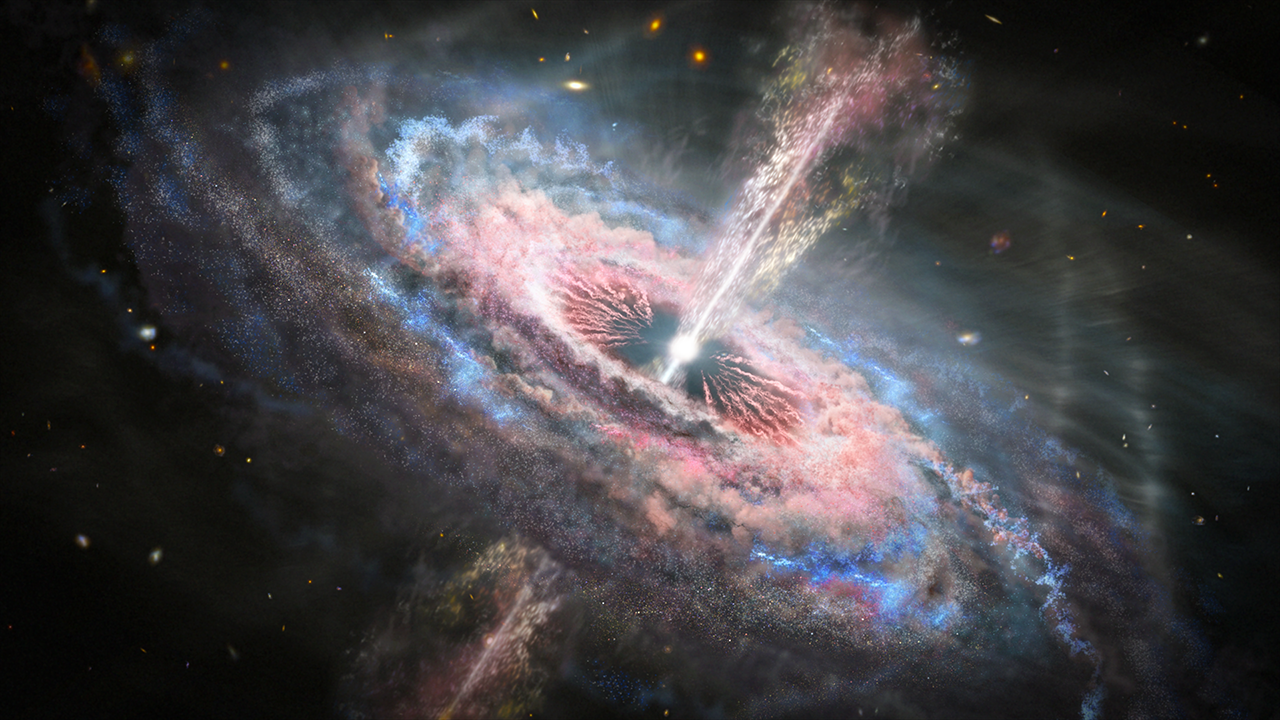
Discover the most fascinating phenomena in the universe: spiral galaxies, colorful nebulae, mysterious black holes...